



Review of Little Book of Vivienne Westwood: The Story of the Iconic Fashion House
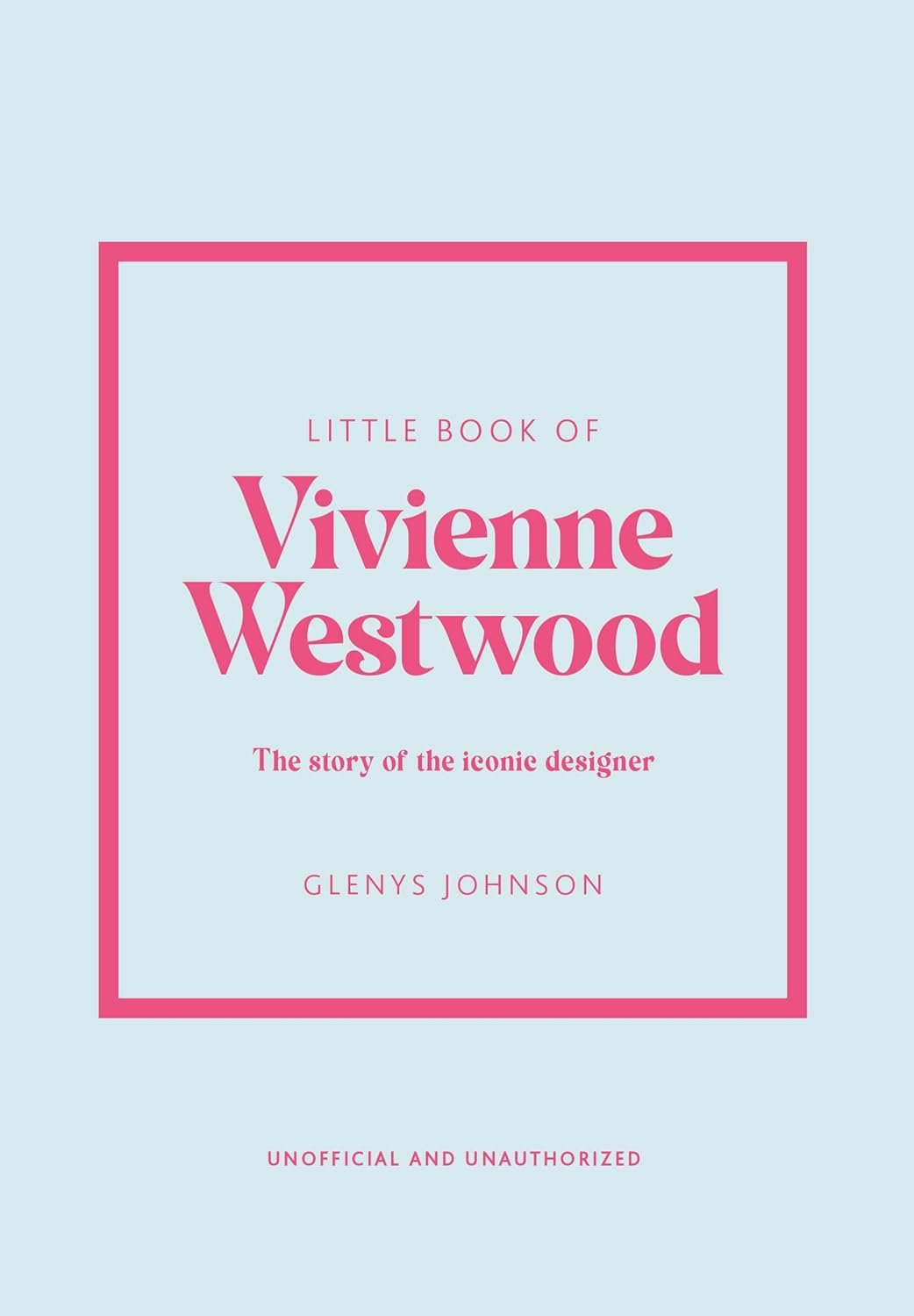
In the realm of fashion literature, the Little Book of Vivienne Westwood stands out as both a tribute and a scholarly exploration of one of the most impactful figures in contemporary fashion. Published by Welbeck, this compact tome offers an engaging narrative that encapsulates Vivienne Westwood’s influence on the fashion industry as well as on popular culture at large. At a length of 160 pages, it presents a concise yet comprehensive profile of the designer whose works straddle the line between rebellion and elegance.
Content Overview
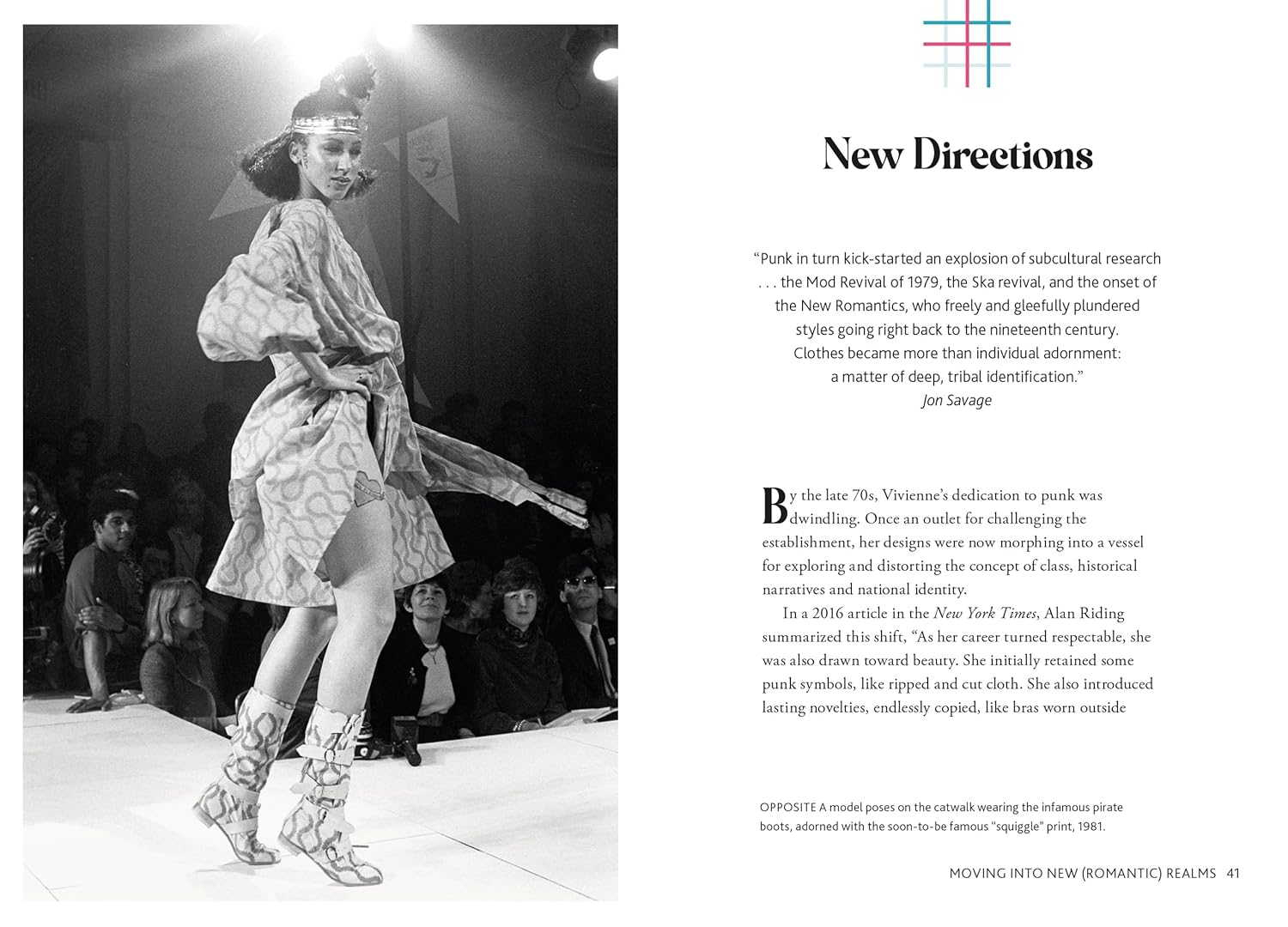
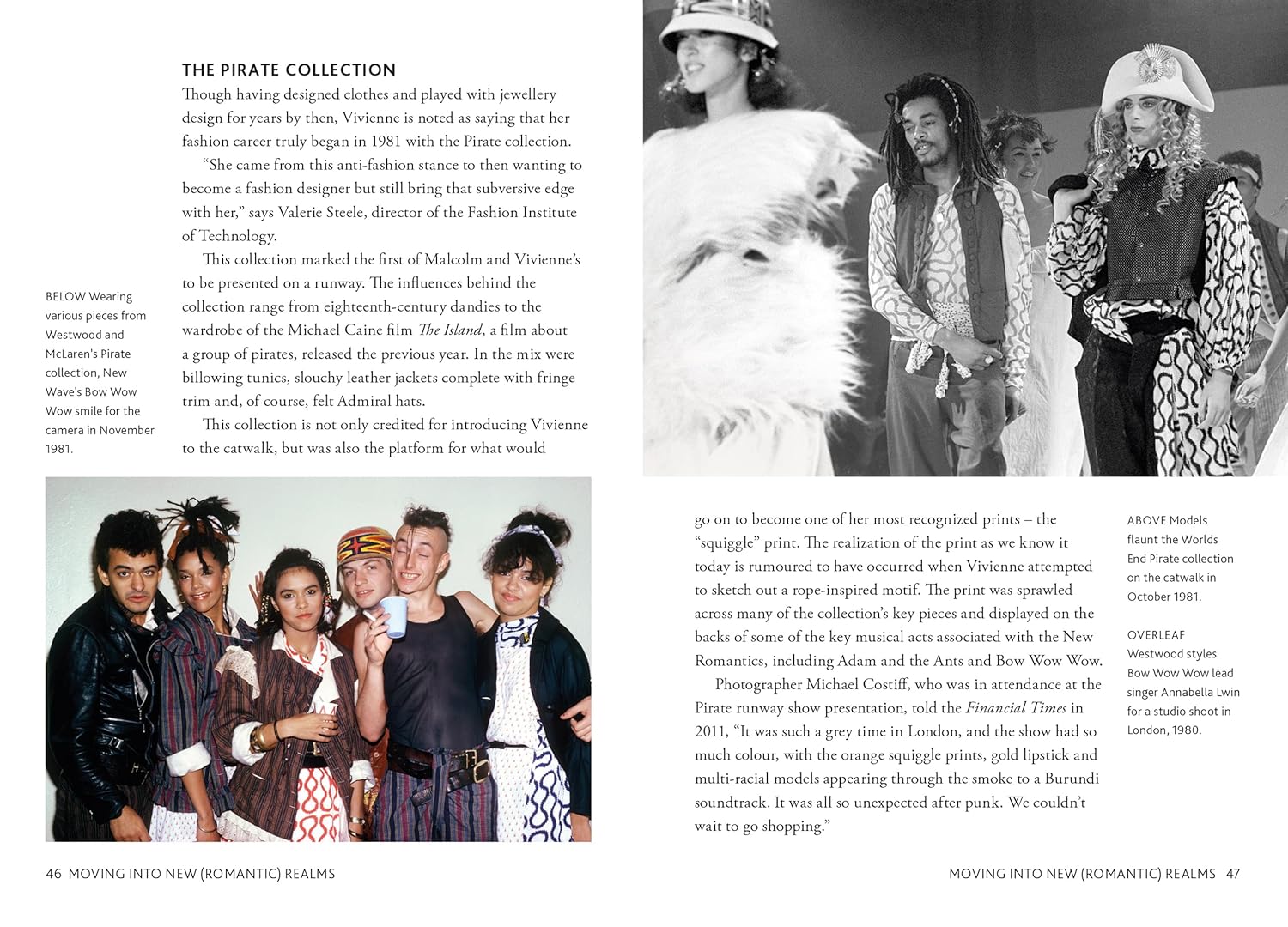
The book meticulously chronicles Vivienne Westwood’s evolution as a designer, her role in the punk movement of the 1970s, and her relentless challenge to fashion norms. The author artfully explores how Westwood transitioned from punk iconography—characterized by ripped fabrics and an anti-establishment ethos—to a sophisticated connoisseur of tailoring and corsetry. Readers can expect not only a catalog of her renowned garments but also insights into her creative processes and the socio-political statements behind her designs.
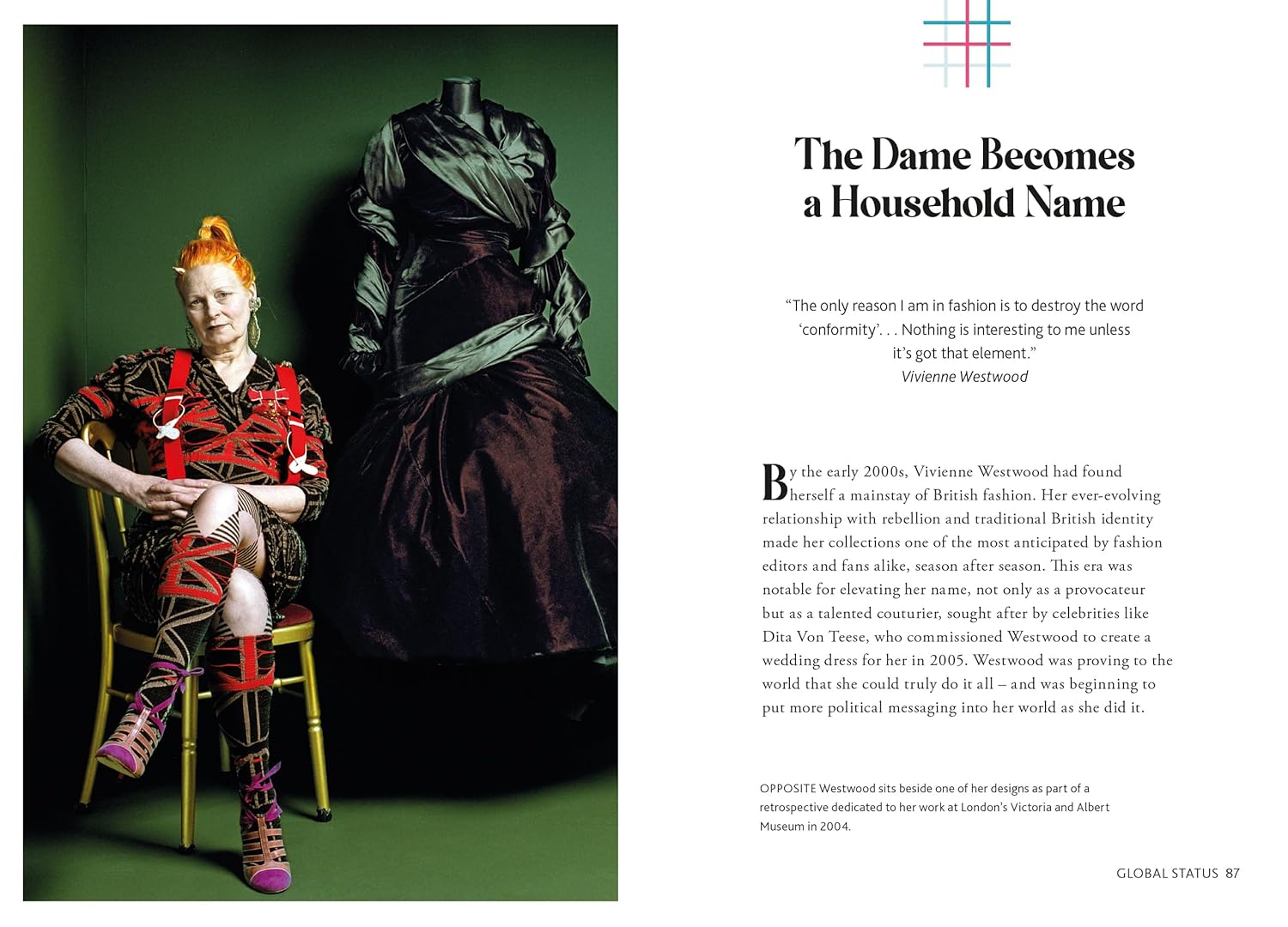
The narrative does an excellent job of contextualizing Westwood’s artistry within the broader tapestry of fashion history, drawing connections to various cultural movements and highlighting her collaborations with notable clients such as Dita Von Teese, FKA Twigs, and Doja Cat. The illustrations featured throughout the book serve to amplify Westwood’s signature style, with her eccentric takes on traditional fabrics like tartan and Harris Tweed being particularly compelling.
Design and Presentation
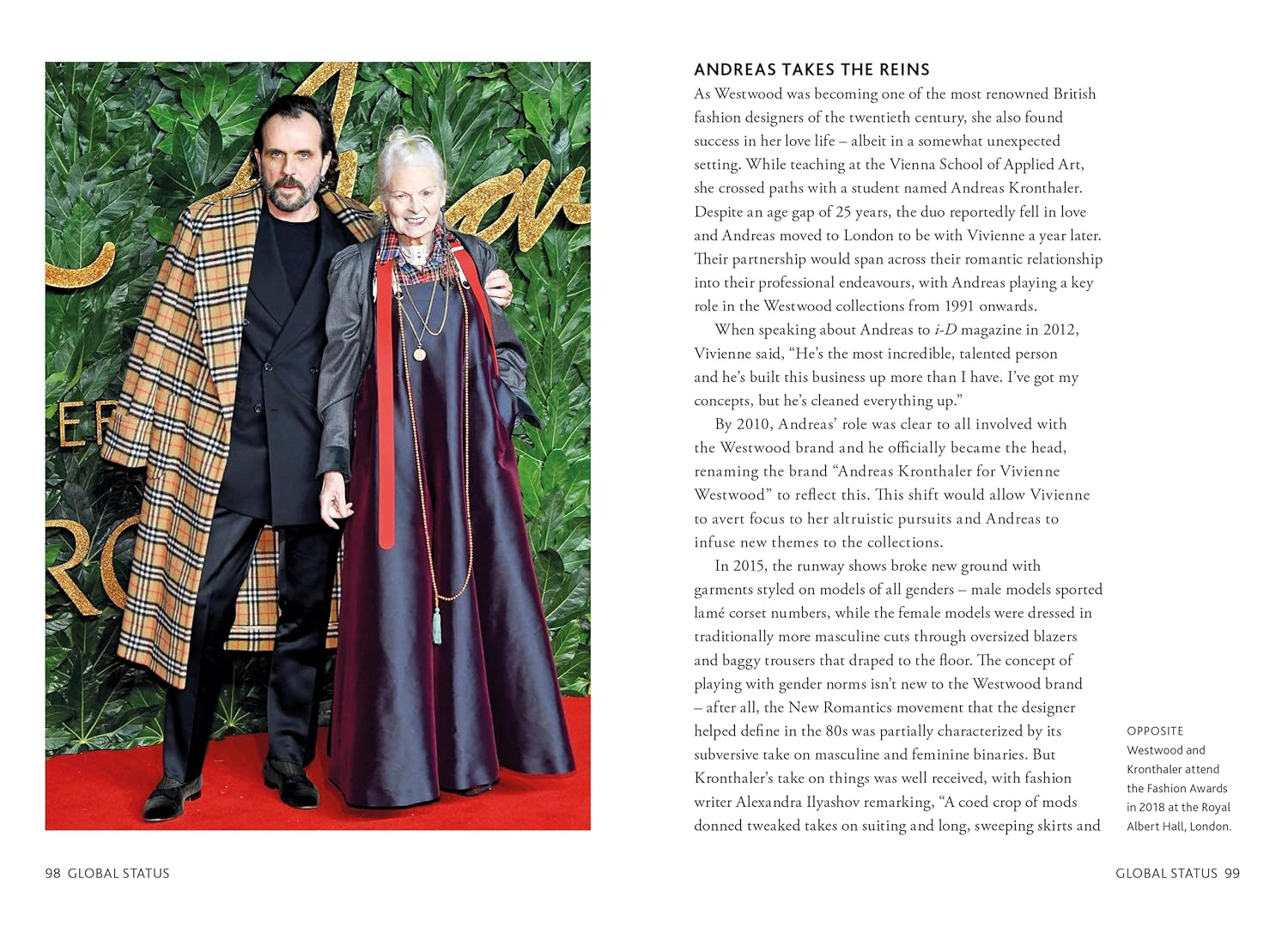
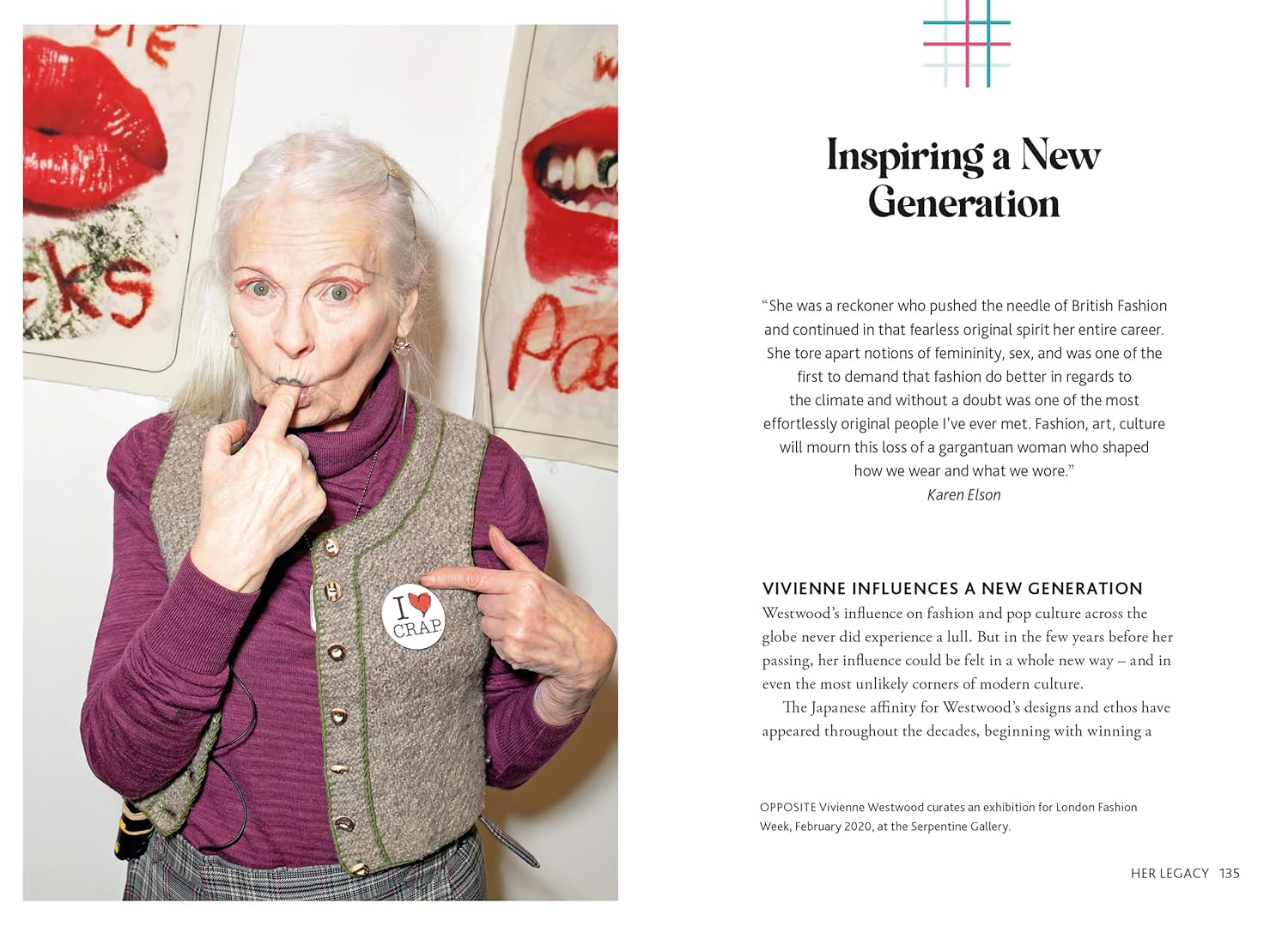
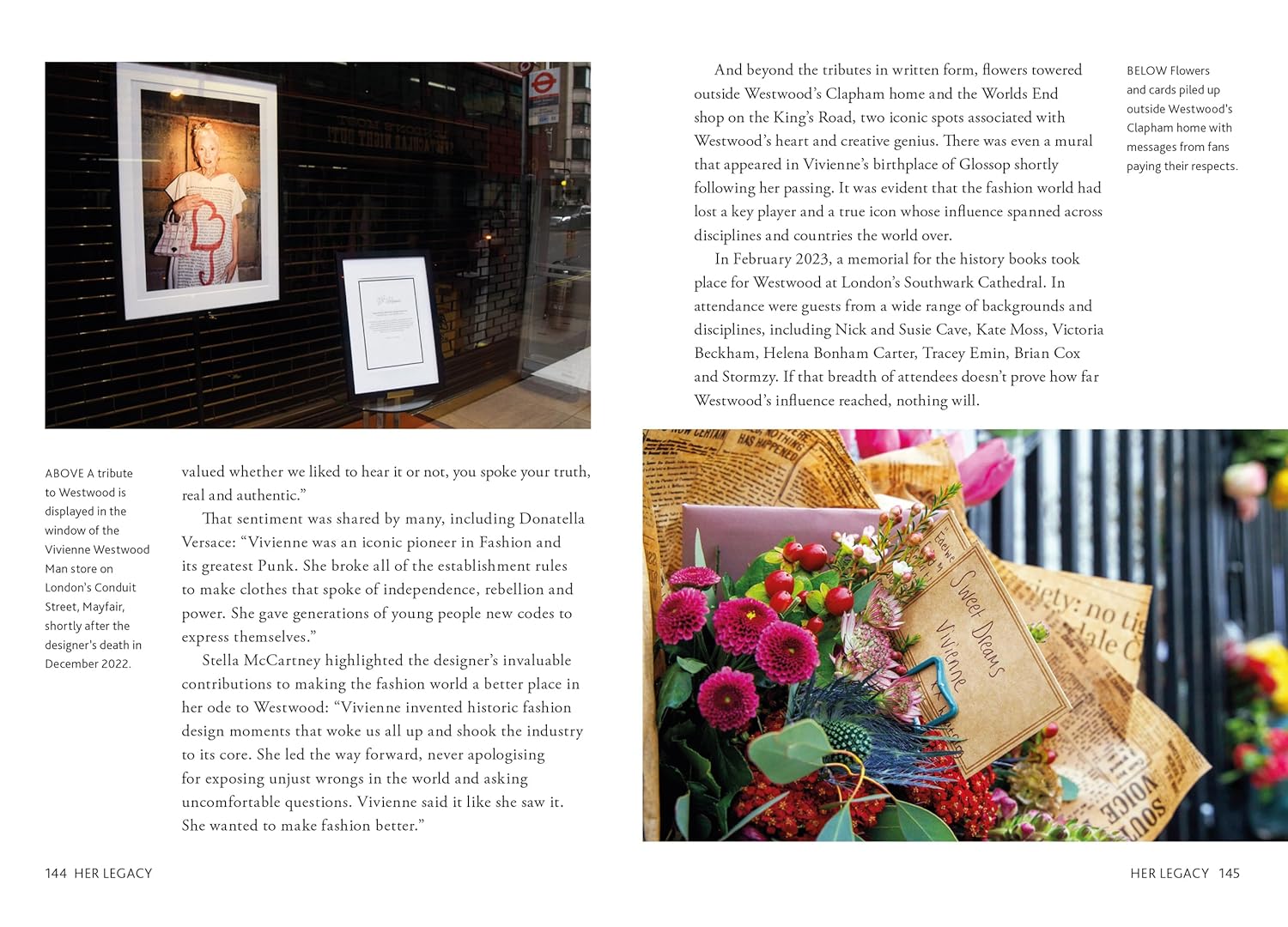
One of the key strengths of this publication lies in its thoughtful design. The Little Book of Vivienne Westwood adopts a visually appealing layout that balances text with striking imagery, allowing readers to not only absorb information but also appreciate the visual splendor of Westwood’s creations. The quality of the printing and the choice of photographs selected for the book resonate well with the audience’s expectations for a fashion-focused title.
Despite its smaller dimensions (5.12 x 0.71 x 7.24 inches), the book does not feel cramped; instead, the formatting provides ample space for each page’s content, giving visual breathing room to both text and images. For those familiar with Westwood’s work, the book illuminates the subtleties that make her fashion both provocative and timeless.
Target Audience
This book is aimed at a broad audience that encompasses fashion enthusiasts, students of design, and anyone who appreciates cultural history. Its engaging language and informative tone are likely to appeal to readers who may not have a formal background in fashion but possess an interest in its evolution. Furthermore, for professionals already entrenched in the fashion industry, this text serves as an essential reference point, providing insights into Westwood’s lasting influence.
Educational Value
The Little Book of Vivienne Westwood can be seen as a valuable educational tool. It delves into theoretical underpinnings of fashion and feminism, tying together Westwood’s ethos with her designs. Readers are encouraged to reflect on how fashion can be a medium for political expression—a significant aspect of Westwood’s work that remains relevant in today’s conversations surrounding social justice and empowerment.
The book adeptly summarizes Westwood’s contributions, making it a beneficial resource for students and academics alike. It elucidates complex topics such as deconstruction in fashion and the juxtaposition of haute couture with street style, allowing a deeper understanding of the ongoing dialogues within the industry.
Final Thoughts
While the Little Book of Vivienne Westwood may be compact, it carries a weighty message—a testament to both Westwood’s genius and the importance of individualism in fashion. The author successfully conveys the notion that clothing is far more than mere fabric; it is a medium for self-expression, a vehicle for critique, and a reflection of societal shifts.
In conclusion, this book stands as an essential read for anyone keen to appreciate the intricate layers of Vivienne Westwood’s legacy. Its balance of accessible prose and in-depth analysis caters to both the casual reader and the seasoned fashion professional. Whether you are rediscovering Westwood’s work or encountering it for the first time, this book is likely to inspire admiration and provoke thought. The Little Book of Vivienne Westwood is not merely a product for the shelf but a piece of art in its own right, embodying the spirit of a designer who transformed the landscape of fashion and culture through her indomitable spirit and creativity.
