
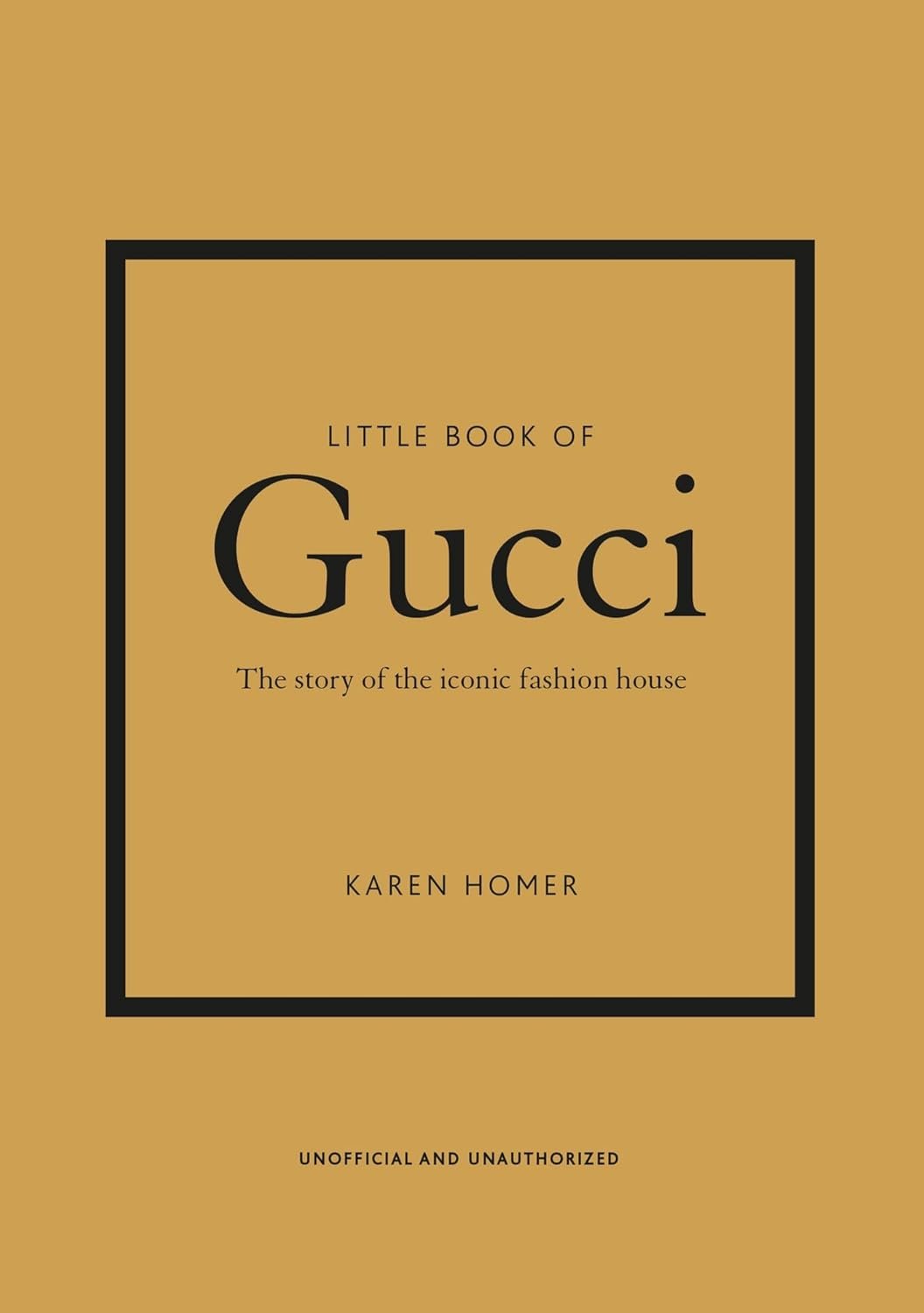




Review of The Little Book of Gucci: The Story of the Iconic Fashion House
In the ever-evolving world of fashion literature, The Little Book of Gucci presents a captivating glimpse into one of Italy’s oldest and most revered fashion houses. From its inception in 1921 to its current status as a global icon, this compact volume does an admirable job of chronicling Gucci’s rich heritage and innovative designs.
Overview
Published by Welbeck Publishing in October 2020, The Little Book of Gucci is part of the "Little Books of Fashion" series, intentionally designed to provide readers with a concise yet informative overview of significant fashion houses. With a print length of 160 pages and compact dimensions of 5.25 x 0.75 x 7.25 inches, the book is conveniently styled for both coffee table displays and casual reading.
Content and Structure
The content is structured chronologically, beginning with the founding of the brand by Guccio Gucci in Florence. This contextual backdrop is essential for understanding how Gucci evolved from a manufacturer of luxurious luggage for the affluent into a symbol of Italian opulence. The interlocking G logo and signature print are introduced early in the narrative, serving as visual markers of the brand’s identity that readers will recognize instantly.
The book intricately explores pivotal moments in Gucci’s history, highlighting key figures like Tom Ford and Alessandro Michele, whose creative direction has helped the brand maintain its relevance. Ford’s provocative designs in the 1990s and Michele’s contemporary approach resonate with themes of daring innovation and the blend of romance and toughness. Particularly insightful is the discussion of how Gucci’s offerings—belts, bags, and loafers—transcend fleeting trends to remain integral to fashion culture both historically and in contemporary contexts.
The text is accompanied by high-quality imagery, offering readers visual representations of iconic pieces. Each photo seems carefully chosen to illustrate the evolution of the Gucci aesthetic while showcasing its craftsmanship and artistry. The inclusion of these visuals not only enhances the reading experience but also serves as a powerful reminder of why Gucci continues to capture the imagination of fashion enthusiasts around the world.
User Experience
Reading The Little Book of Gucci feels like a curated journey through the annals of fashion history. While it’s a “little” book, the information contained within is anything but superficial. The writing is accessible, making complex topics digestible for readers who may not have a background in fashion history. This accessibility is particularly beneficial for a younger audience or those new to the world of luxury apparel.
Moreover, the book has an inviting layout that combines text and photographs seamlessly. The font size is comfortable for reading, and the design is visually appealing—a thoughtful touch for a publication about a luxury brand. Fun facts and bullet points scattered throughout serve as quick takes for readers who may want to get a snapshot of information without delving deeply into the narrative.
However, the book does have its limitations. As it aims to provide a concise overview, some readers may find the depth of information lacking when compared to comprehensive biographies or historical volumes on Gucci and its intricacies. Specialized readers looking for in-depth analysis might wish for more extensive coverage, particularly in areas such as Gucci’s marketing strategies or detailed accounts of its runway shows.
Nevertheless, the book is an excellent primer for those interested in fashion history and serves as a compelling introduction to Gucci’s influence on the industry.
Expected Quality
The production quality of The Little Book of Gucci is commendable. The hardcover binding gives it a premium feel that matches the luxurious essence of the brand it represents. Additionally, the quality of the printed images is impressive, allowing readers to appreciate the detail and craftsmanship that define Gucci’s offerings.
The weight of the book, at 2.31 pounds, suggests that it is designed to be durable, able to withstand frequent handling—ideal for both casual exploration and targeted study.
Conclusion
In summary, The Little Book of Gucci: The Story of the Iconic Fashion House is an engaging exploration of a brand that has become synonymous with luxury and style. It offers a delightful balance of visual appeal and informative content. While it may not satisfy the demands of scholarly study, it is an accessible resource for anyone intrigued by the intersection of history and fashion.
The book successfully fulfills its purpose as a compact introduction to Gucci, delighting readers with both its narrative and visuals. As a piece of fashion literature, it deserves a spot on the bookshelf of aficionados and casual readers alike, serving as a reminder of why Gucci remains a dominant force in the fashion industry today. For anyone looking to enrich their understanding of fashion’s history, this book is a worthy addition, encapsulating the essence of what makes Gucci an enduring icon.
